
General Note
What a tamilabo Game Is
Why tamilabo games put leftover feeling before skill, and why they are made by subtraction and feel.
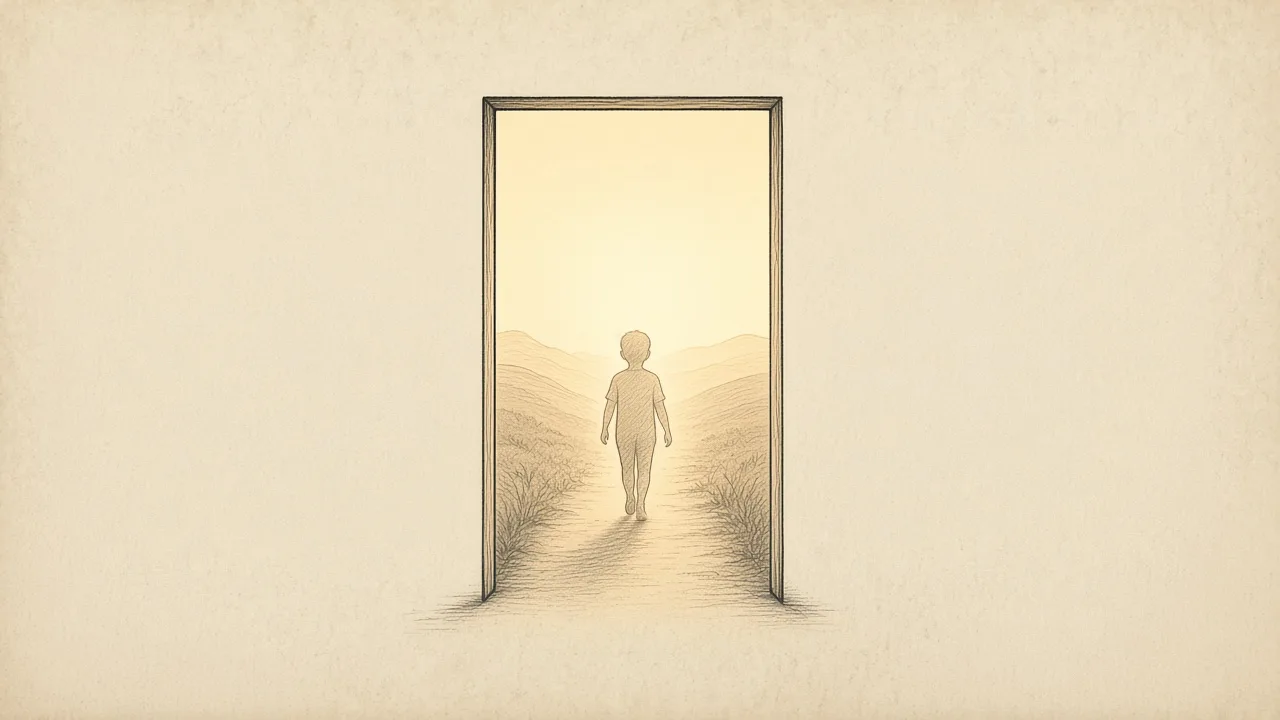
A tamilabo game is judged less by how well it is played than by what remains after it ends. Strange sensations, feelings that belonged to childhood, senses that fade in adulthood. The aim is an experience that stays with the player's state of mind, not their skill.
Adding ornament and features is trusted less than controls and rules that can be felt immediately. Subtract rather than add. A simple shape lasts more clearly than a work padded for completeness, and that is the kind of work tamilabo wants to make.
The work starts from the experience to be delivered, not from a genre. RPG or adventure can be a vessel for that experience, a foundation rather than a mandate. The priority is the feeling itself—looking for a place to belong, for example—before the genre label.
One experience becomes one work. Length is not an end in itself. About three hours is the working measure for a complete sitting, so the intended feeling can arrive without extra material piled on.
Explanation-heavy text and elaborate puzzles matter less than feel, and the world's replies to the player's actions. The weight of an input should connect to a character's tension and conflict.
Material comes from first-hand memory. How the body felt, and what snagged at the time. That is turned into the feel of play. What other people cannot simply copy is what gives the work its outline.
Ideas are not added lightly. Removing what does not belong comes first. The test is whether something feels like a tamilabo work. Elements that miss the concept are cut, also to keep the project at a size that can actually be finished.
In other words: redesigning, with simple stripped-back systems, the emotions and strange sensations adults have forgotten, and the feeling of excitement.